


Beyond “Getting Older”: Specialized Care for Thyroid Nodules in Mature Adults


September is Healthy Aging Month, a dedicated time to focus on staying active, vibrant, and proactive about long-term health. Yet, far too many older adults accept persistent fatigue, neck fullness, swallowed pills getting "stuck," or sudden weight changes as unavoidable consequences of aging.
When these subtle shifts stem from symptomatic thyroid nodules, traditional approaches often present a narrow choice: live with growing discomfort or undergo major invasive surgery that disrupts healthy thyroid tissue.
At the Thyroid Nodule Treatment Center, under the expert leadership of endocrine surgeon Dr. Richard Harding, patients have access to non-surgical, function-preserving solutions designed to restore quality of life without the downtime of traditional surgery.
Why Thyroid Nodules Are Overlooked in Mature Adults
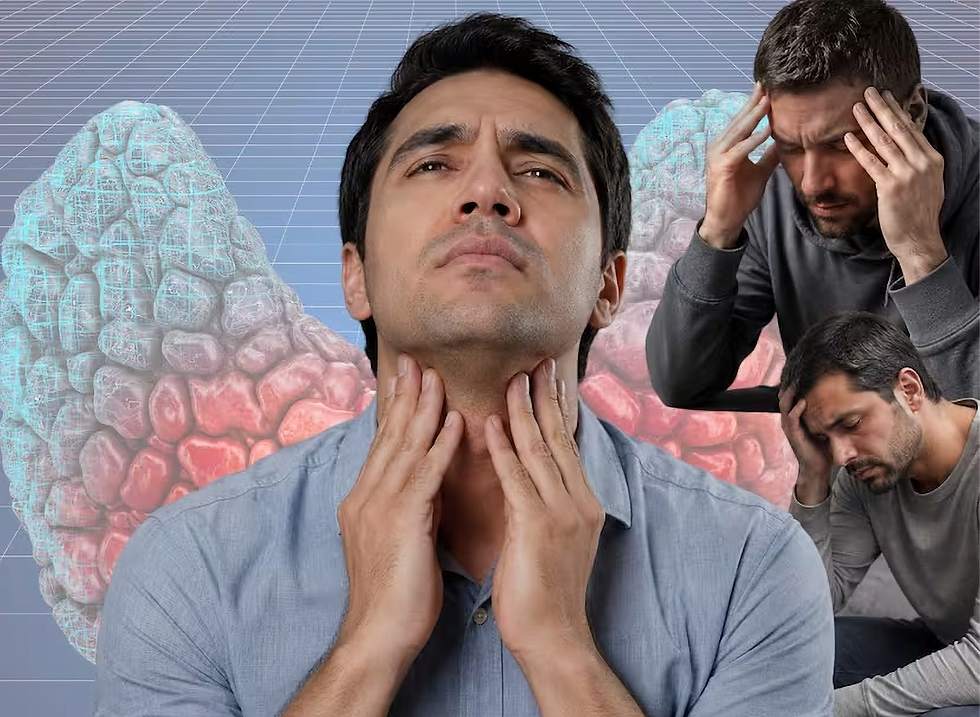
Thyroid nodules—fluid-filled or solid lumps formed within the thyroid gland—become increasingly common as we age. While the vast majority of these nodules are benign (non-cancerous), their physical presence can create significant quality-of-life issues:
Compressive Symptoms: A growing nodule can cause a constant feeling of tightness in the throat, difficulty swallowing, or a persistent tickling cough.
Energy & Metabolic Imbalances: Large or autonomous nodules can interfere with overall thyroid balance, compounding feelings of sluggishness or weakness often misattributed to simple aging.
Visually Noticeable Swelling: Enlarged nodules create visible asymmetry near the collarbone.
Standard medical tracking often monitors these nodules until they become too burdensome, at which point total or partial thyroidectomy (surgical removal) is recommended. However, removing thyroid tissue frequently leads to lifelong hormone replacement therapy.
Advanced, Minimally Invasive Alternatives with Dr. Richard Harding
As a recognized leader in minimally invasive endocrine surgery procedures, Dr. Richard Harding focuses on treatments that eliminate symptomatic nodules while preserving your body's natural thyroid function.
Through azthyroidnodule.com, the center offers cutting-edge, non-thermal and minimally invasive ablative therapies that bypass the need for conventional surgery:
1. Nanosecond Pulsed Field Ablation (nsPFA™)
As one of the first U.S. surgeons to adopt nsPFA™ technology, Dr. Harding utilizes ultra-short, non-thermal electrical pulses to clear benign nodule cells at a cellular level. Because it does not rely on heat, nsPFA™ selectively targets nodule tissue while protecting delicate surrounding structures, including nearby nerves and vocal cords.
2. Radiofrequency Ablation (RFA)
For qualifying benign nodules, RFA uses targeted thermal energy to shrink nodule volume significantly over time, relieving physical pressure and throat tightness without leaving surgical scars.
3. Microwave Ablation (MWA)
Microwave ablation (MWA) is a minimally invasive, non-surgical treatment that uses heat generated by electromagnetic waves to shrink benign (non-cancerous) or overactive thyroid nodules.
Benefits for Healthy Aging
Choosing a non-surgical procedure at the Thyroid Nodule Treatment Center delivers distinct advantages for active adults prioritizing longevity and wellness:
Preserved Thyroid Function: By shrinking only the nodular tissue, normal, healthy thyroid hormone production is preserved, helping avoid dependence on daily medication.
Outpatient Convenience & Minimal Recovery: Procedures are performed with minimal downtime, allowing patients to return to daily routines quickly without an extended hospital stay.
Scarless Results: Advanced ablation techniques avoid traditional neck incisions.
Reclaim Your Vitality This Healthy Aging Month
If you or a loved one have been told to "just live with" a troublesome thyroid nodule—or if you want to explore alternatives to major neck surgery—specialized care is available.
Take charge of your health this September. Visit azthyroidnodule.com to schedule a specialized clinical evaluation with Dr. Richard Harding and learn how modern, non-surgical treatment can help preserve your thyroid.


Comments